
Record heat and raging fires ring in 2026 across the Southern Hemisphere
As the world warms, disease and deaths increase
Drastic water shortages and air pollution are fueling Iran’s protests
The patriarchy runs deep, women still getting a raw deal in the workplace as equality remains a dream
Millions of Delhi residents lost water for days. Some say it’s still toxic
The news these days is grim. Climate change, social injustice, too much water, too little water. It’s hard to see the news and not feel especially anxious. As a professor of sustainability, I am keenly aware that while it might be easy for me to share current news with my students, I might be inadvertently heaping on additional stressors to those they are already living with.
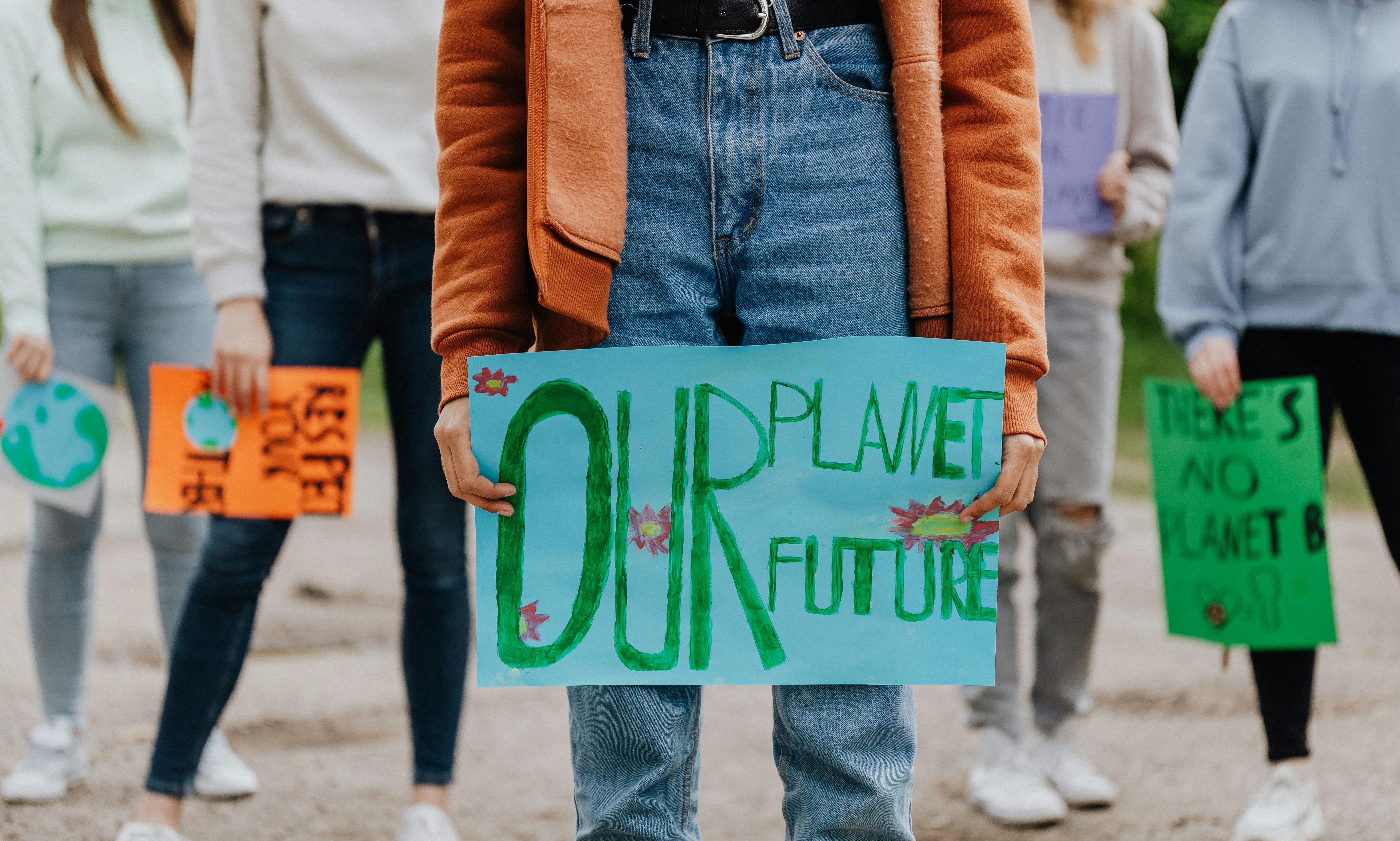
Climate change, in particular, is one contemporary issue that affects mental health. Young people today experience “climate anxiety” in ways older generations cannot quite comprehend. But why shouldn’t they feel anxious? They constantly reminded us that our planet is in peril. Despite the Paris Accord goal to limit warming “preferably” to 1.5 degrees Celsius, we now realize that ambition cannot be met.
Climate change is associated with more intense storms. It results in extreme droughts. Climate change is a driver of forest fires at a scale never seen before. Who isn’t worried? Who isn’t anxious?
Especially challenging is the sense we are collectively in trouble, yet individuals have limited ability to do anything about it. What can I possibly do that will have a real, tangible impact on reducing climate change? Nothing. The problem is just too big. It’s therefore not terribly surprising that we are anxious because we know that problems exist, but we feel helpless to do anything about them.
I feel that my community of sustainability academic global colleagues has tools available to address the anxiety students in our classroom confront. Just like SDG goal 17 aims to forge alliances across institutions to address the world’s grand challenges, we too have the ability to work collaboratively across continents and academic disciplines to provide our students (and ourselves) with strategies that both address challenges like climate change, inequality, and poverty and simultaneously provide us with the realization we do have power. Along with that sense of control, or “agency,” comes important coping strategies to deal with the stress we feel. Let me give you some examples.
We have agency when we choose among retailers and other companies we support
Sustainability is recognized as an important vehicle for differentiation. Firms know that consumers are increasingly purpose-driven. Yes, there are large numbers of consumers who are highly price sensitive. Witness the success of fast fashion retailers like Shein and Temu. Simultaneously, however, many consumers are willing to pay a premium for products they can feel good about. They don’t want the enjoyment of their new purchases tainted with guilt. They want to eat chocolate and not be anxious about the prevalence of children in the cacao supply chain. They want to wear clothes they feel good in and not struggle with the knowledge that they were made in a modern-day sweatshop. In other words, we have agency, control, over whom we choose to purchase from. That’s what SDG 12 (responsible consumption and production) is all about.
We have agency when we choose from the electoral candidates we support in free elections
I proudly have a sticker on my laptop that says, “Vote 4 Climate.” While I cannot tell my students who they should vote for, I can encourage them to consider issues like climate change when choosing among candidates. This information is not difficult to find. If a candidate is currently holding office, look at their voting pattern on new legislation. Attend a forum and ask questions! Candidates clearly want to be elected, so their positions are somewhat malleable if it means winning. In line with SDG 16 (Peace, Justice, and Strong Institutions), we gain control by exercising our right to vote.
We have agency when we choose where to work
Placements are highly important for both our colleges and our students. In my generation, an offer had merit primarily based on two criteria: pay and location. That is no longer true. Increasingly, our students want to work with organizations whose values align with their own. Certainly, compensation matters, but it’s not all that matters. So much of our identities are impacted by the reputation of our employer if for no other reason than we spend so much time at work. Controlling for pay, who wants to work with a company that disregards human rights or pollutes our communities? In line with SDG 8 (Decent Work and Economic Growth), students can exercise agency by thoughtfully seeking careers with firms that use resources and capabilities to address grand challenges, not cause them.
We have agency when we make lifestyle choices in our day-to-day activities
How often do we hear that “it takes a community?” The point of this statement is that aggregating across small individual actions is necessary to overcome large obstacles. Does taking a shorter shower make even a dent in a water crisis? Can turning off the lights when you leave a room change the trajectory of climate change? Clearly not. But such reductionist thinking isn’t helpful. Aggregated across a village or a state or a country or a continent, small actions do indeed make a difference.
This past semester I introduced “gamification” into my sustainability classroom. We had access to an app called GetGreen, which introduces users to small actions they can take to reduce greenhouse gas emissions. We had leader boards and prizes. The feedback I got was overwhelmingly positive, and collectively, my students chose actions that avoided 30 tons of emissions. That’s impressive! In support of SDG 13 (Climate Action), the exercise showed students they have agency through day-to-day decisions.
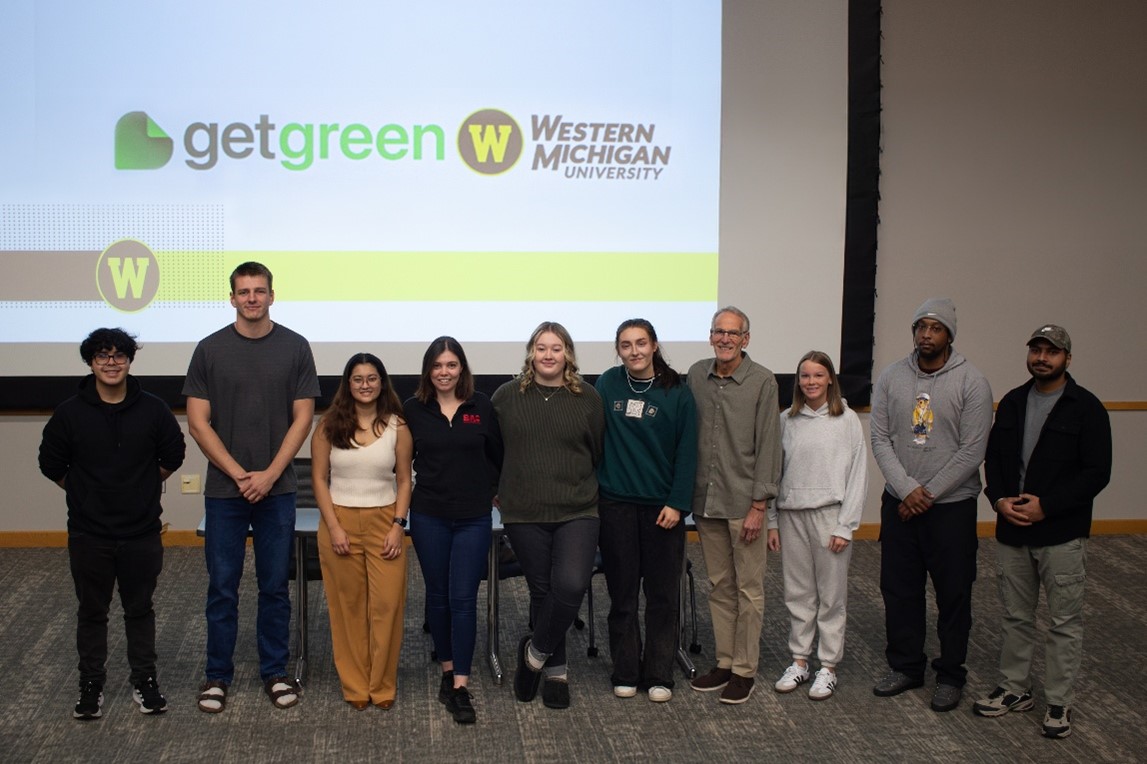
Photo: Prof. Palmer with the students who are the winners of the “getgreen” initiative at Western Michigan University
In closing, we can’t prevent ourselves or our students from hearing bad news about the state of the world. We’re just too connected for that. However, as educators we have a unique opportunity to help our students understand challenging issues while not letting the doom and gloom become overwhelming. SDG 17 points out that addressing today’s sustainability challenges requires collaboration in many forms. Working together, in concert with the NGO community, government, and business, we can show students how to take back control in a world that too often feels out of control. As an educator, that’s a very powerful message to share!

Copyright © 2026. Rajagiri Business School. All Rights Reserved. Website Designed and Maintained by Intersmart